The detection of Ice Crystals in Weather radar
What is Ice Crystals?
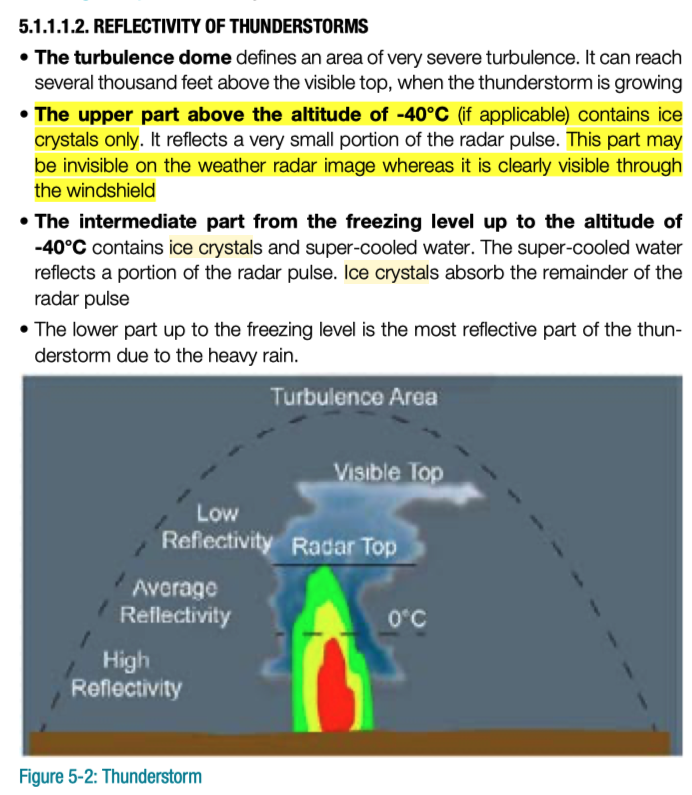
Ice crystals are small, solid particles of ice that are typically found in the upper portions of convective clouds, such as cumulonimbus or anvils, at very cold temperatures (often below −40 °C).
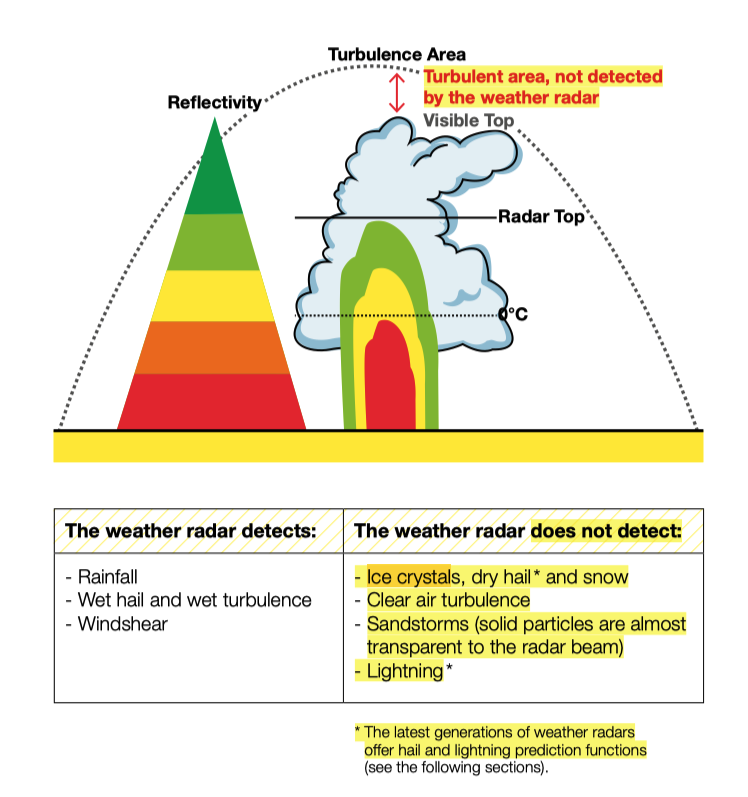
In aviation, the term “ice crystal condition” refers to an atmospheric environment containing a high concentration of these small ice particles which, although not visible on weather radar, can be ingested into aircraft engines or enter air data sensors, potentially causing engine power loss, damage, or unreliable airspeed/altitude indications.
An ice crystal condition is the presence of high concentrations of small ice particles in convective clouds, usually at high altitude, which may affect aircraft engines and sensors even though no visible moisture or radar returns are present.
Can the Weather radar detect ice crystal ?
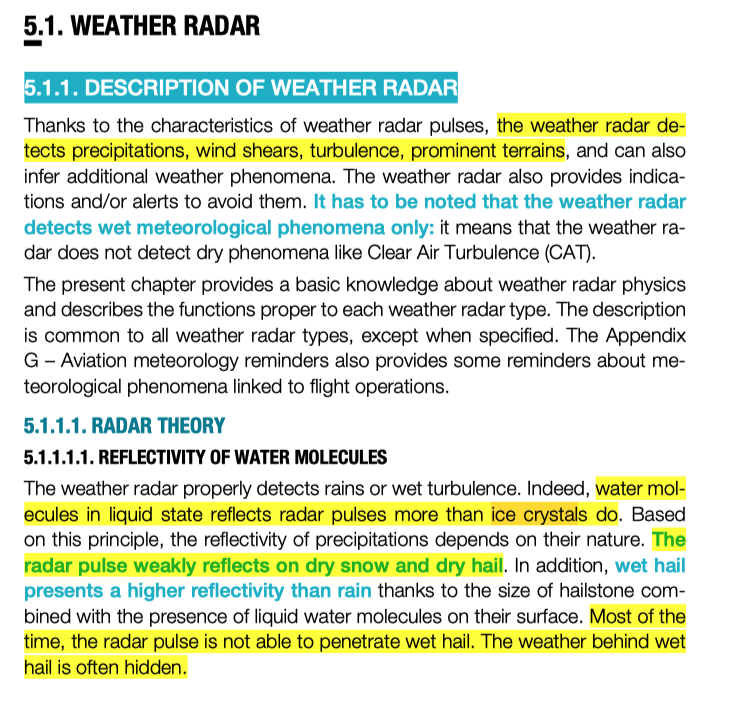
According to Airbus publications, there is a discrepancy between earlier and later documents regarding the detection of ice crystals by weather radar.The 2007 Flight Operations Briefing Note on adverse weather suggested that weather radar may detect areas containing ice crystals, particularly when mixed with supercooled liquid water, since some radar reflectivity could be present.
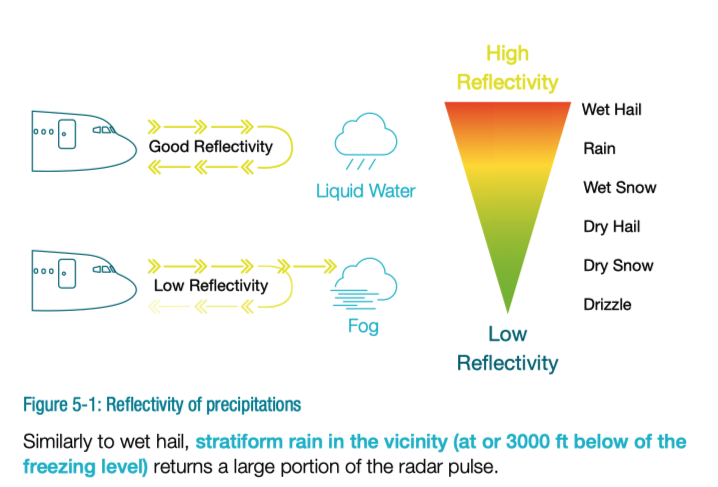
However, in the 2016 Safety First Magazine article titled “Optimum Use of Weather Radar”, Airbus clarified that weather radar cannot detect ice crystals, as these particles are extremely small and have very low radar reflectivity. It also emphasized that ice crystal icing conditions can exist in areas showing no radar returns, urging pilots to avoid convective cloud tops and anvil regions even when the radar appears clear.
This change reflects the industry’s improved understanding of ice crystal icing. Research conducted after several in-service events confirmed that pure ice particles are practically invisible to conventional X-band airborne weather radar.